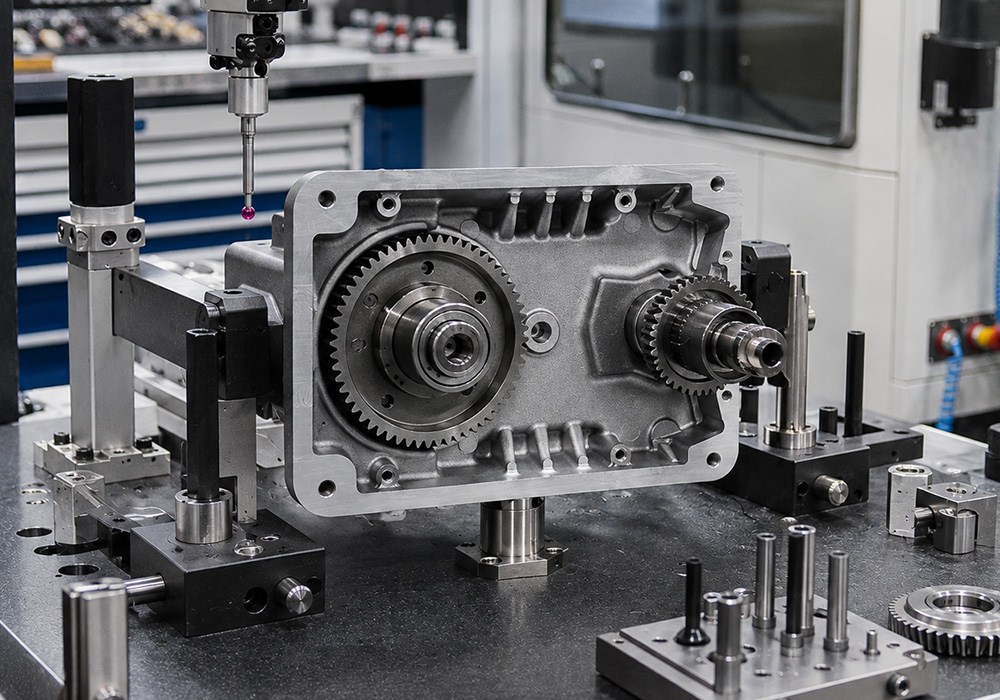
The gearbox housing bolts (box connecting bolts, end cover bolts, anchor bolts) are subjected to vibration and alternating stress. Long-term operation can lead to loosening, deformation, and fatigue damage. Continued use will cause oil leakage at the mating surfaces, housing misalignment, increased gearbox vibration, and even housing cracking. Bolts must be replaced promptly if the following conditions occur:
I. Visual Inspection and Replacement Requirements
- Damaged or Stripped Threads: Wear, burrs, or stripping of the bolt threads, preventing tightening after screwing; slippage of the nut, failing to generate preload. The bolt must be replaced immediately.
Note: Do not replace only the nut; replace the entire bolt set if the threads are damaged.
- Deformed, Bending, or Elongated Bolts: Visual inspection reveals bent bolt shanks or obvious tensile deformation; disassembly reveals elongated bolts that have lost their original dimensions. Under gearbox vibration conditions, deformed bolts cannot provide stable preload, causing oil leakage at the gearbox mating surfaces. Replacement is necessary.
- Bolt Cracks or Fractures: If visible cracks or partial fractures appear on the bolt shank or head, replace immediately and do not continue using it. Fatigue cracks can propagate rapidly under vibration, posing a risk of further breakage.
- Severe Corrosion: Extensive rust on the bolt surface and pitting on the threads; rust weakens the thread engagement and reduces tightening force. Minor surface rust can be removed and rust-preventive oil applied; if the threads are pitted by rust corrosion, replacement is recommended.
- Bolt Head Wear or Rounding: If the hexagonal head of the bolt is rounded by a wrench, making normal tightening and disassembly impossible, continued use will easily lead to slippage; replacement is necessary.
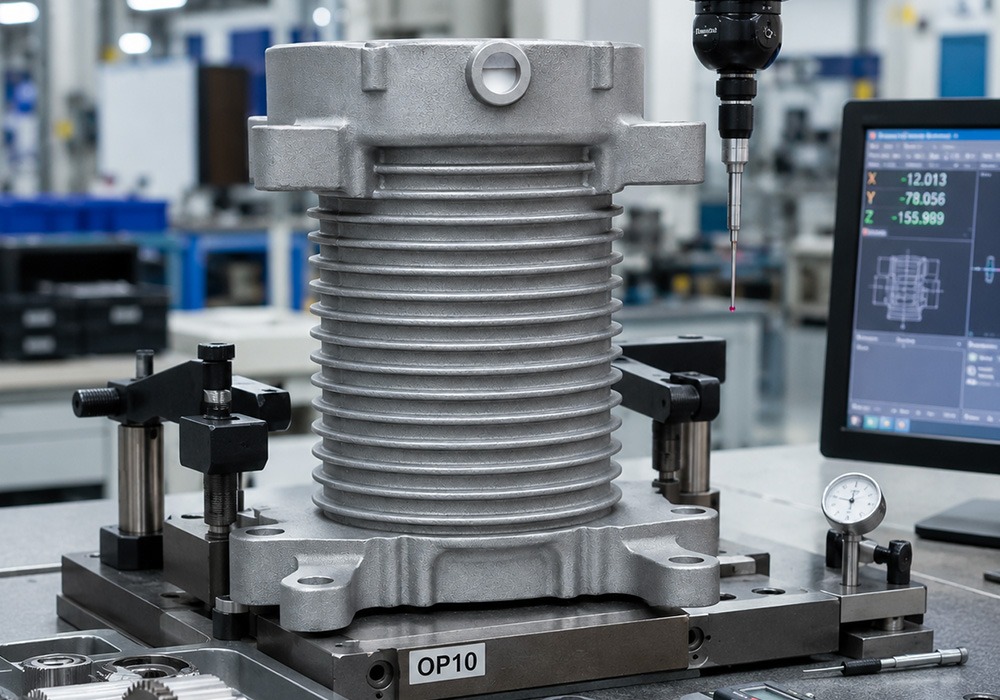
II. Tightening Status Assessment
- Repeated Loosening: After tightening in a diagonal sequence, if the bolt loosens again after a period of operation, this indicates fatigue loosening and reduced preload. Even if tightened again, the preload will not be maintained; replacement of the entire bolt set is recommended.
- Torque Not Meeting Standard: If tightening according to the torque specified in the equipment manual still fails to achieve the required locking torque, the bolts have undergone plastic deformation and cannot reach the design preload, requiring replacement.
Tip: Gearbox housing bolts are generally high-strength bolts. Do not substitute with ordinary carbon steel bolts; use high-strength bolts of the same grade.
III. Operating Conditions and Service Life Judgment
- Long-Term High-Frequency Vibration Equipment: Crusher, conveyor equipment, and heavy-duty gearboxes experience high vibration, leading to rapid bolt fatigue. Regular spot checks are recommended, and bolts should be replaced when they reach their service life.
- Experienced Overload or Impact Accidents: If the gearbox experiences overload, impact, or stalling, even if the bolts show no visible damage, internal fatigue damage may have occurred. It is recommended to replace the entire set of housing connecting bolts.
- Excessive Disassembly and Assembly: Repeated disassembly and assembly subject the threads to repeated stress, causing fatigue. Bolts that have been disassembled multiple times are not recommended for continued long-term use.
IV. Common Misconceptions Preventing Continued Use
- Slightly loose bolts without deformation or cracks can be retightened diagonally; replacement is unnecessary.
- Mere surface rust with intact threads allows for rust removal and application of anti-loosening adhesive for continued use.
- Do not mix bolts of different strength grades. Bolts in the same group should ideally be of uniform specification and grade.
V. Key Points for Replacement
- It is recommended to replace all housing bolts as a set. Do not replace only individual damaged bolts. Inconsistent preload between old and new bolts will cause uneven stress on the housing and oil leaks at the mating surfaces.
- When tightening, strictly adhere to diagonal tightening in stages, following the torque specified in the instruction manual. Do not overtighten to avoid damaging the housing threaded holes.
- Anchor bolts and housing end cover bolts should be inspected separately, as their stress environments differ and they should be evaluated separately.
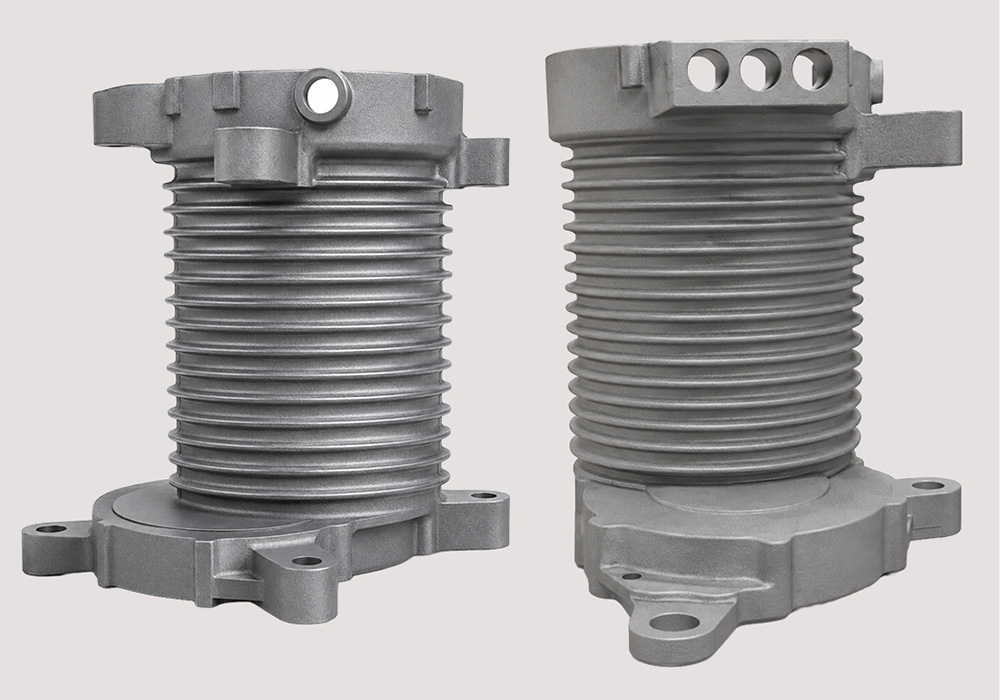
Simple Judgment Criteria:
✅ Can Continue to be Used: No cracks, no bending deformation, intact threads, does not repeatedly loosen after tightening, no severe corrosion.
❌ Needs replacement: stripped threads, bent and elongated screw, cracks, rounded head, severe corrosion, repeated loosening, or impact overload.