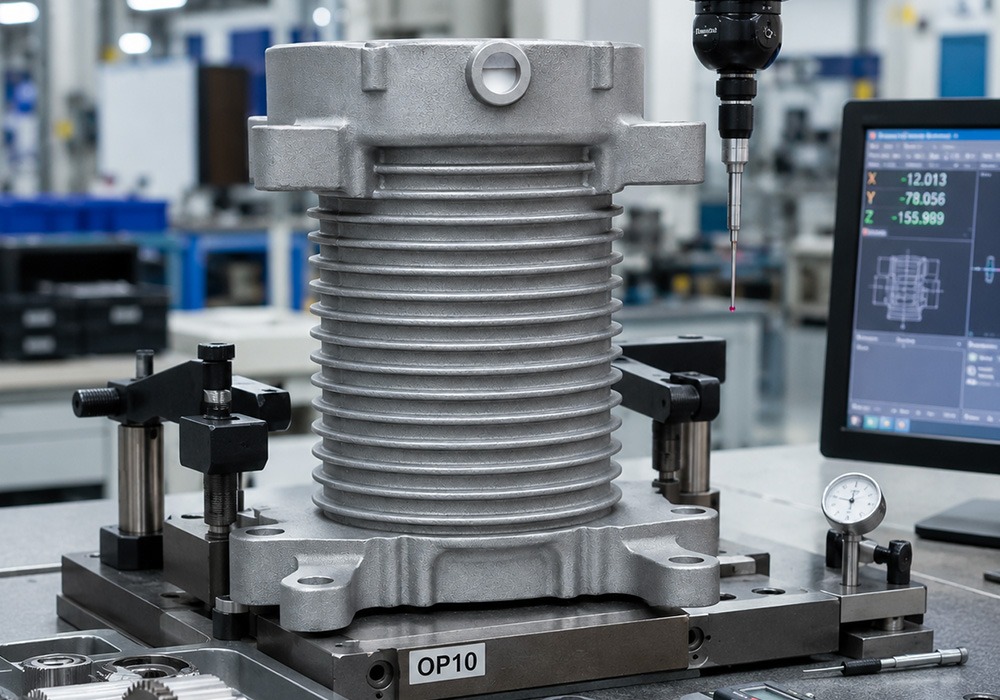
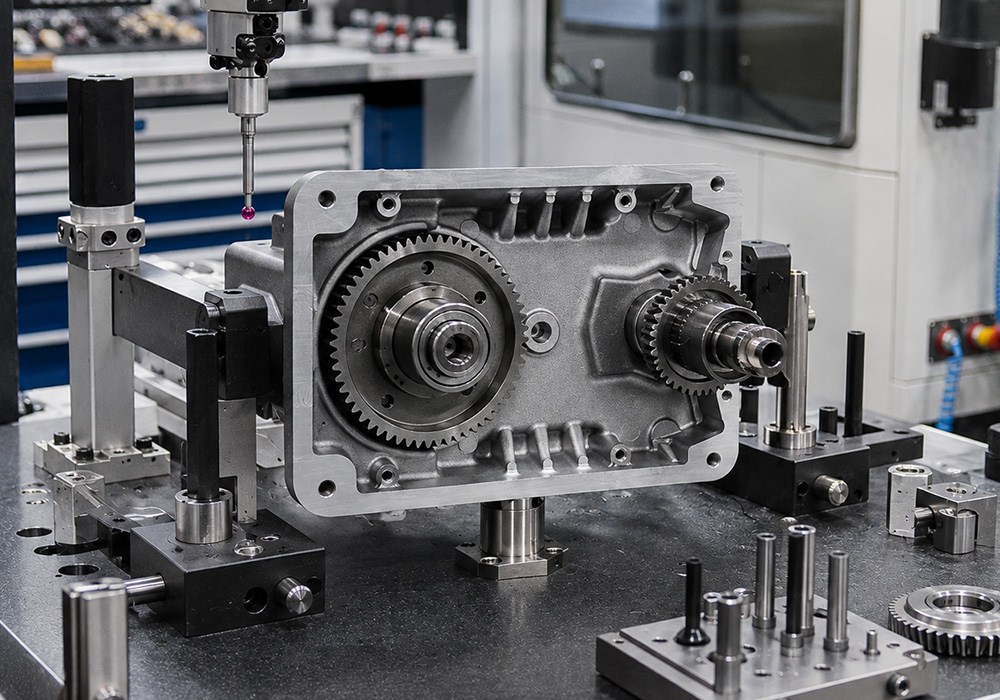
The gearbox housing is the fundamental load-bearing component of the gearbox, housing gears, bearings, and lubricating oil, providing support, protection, and sealing. While the housing itself does not directly rotate, its condition directly affects the overall sealing, heat dissipation, and operational safety of the gearbox. Routine maintenance mainly revolves around cleaning, seal inspection, leak detection, tightening, heat dissipation, damage prevention, and routine inspections.
I. Exterior Cleaning and Maintenance
- Regularly clean the outer surface of the housing to remove oil, dust, and metal shavings. Accumulated oil and dust will hinder heat dissipation, causing the internal oil temperature to rise and accelerating lubricating oil aging.
- Do not directly wash the housing with a high-pressure water gun. Prevent water from seeping into the gearbox through seals, inspection windows, and drain plugs, causing lubricating oil emulsification and deterioration. Use a cloth or compressed air to clean.
- Clean the housing’s cooling fins (heat sink), ensuring they are free of oil and grease blockages to guarantee effective heat dissipation and prevent overheating.
II. Sealing and Leakage Inspection (Key Points)
- Inspect all mating surfaces of the housing: split surfaces of the housing, end covers, bearing covers, drain plugs, oil level observation window, and vent cap position. Check for any oil seepage or leakage.
- If minor oil seepage is observed: Check if bolts are loose, and if gaskets and O-rings are aged or damaged. For severe seepage, stop the machine, replace the seals, and tighten the bolts.
- The vent cap must be kept clear: a blocked vent cap will cause increased pressure inside the housing, easily leading to oil seal and mating surface leaks. Regularly clean the vent cap of oil and impurities.
- Check the oil level observation window; keep it transparent and clean for easy viewing of the lubricating oil level. Replace the window immediately if it is cracked or blurred.
III. Bolt Tightening Inspection
- Regularly check the connecting bolts of the housing, end cover bolts, and foundation bolts to prevent loosening due to long-term vibration.
- Tighten bolts evenly diagonally to avoid uneven stress on one side, which could cause housing deformation, widen gaps at the mating surfaces, and lead to oil leaks.
- Loose anchor bolts will increase vibration during gearbox operation, further exacerbating damage to the housing, bearings, and gears.
IV. Oil-Related Maintenance (Indirectly Protecting the Housing)
- Regularly check the lubricating oil level. Excessive or insufficient oil levels will increase internal temperature rise and corrosion. Strictly follow the instructions to add the corresponding type of gear oil.
- Change the gear oil on time. Emulsification and deterioration of the gear oil will corrode the internal cast wall of the housing, causing rust and sludge buildup.
- When draining or adding oil, ensure the threads of the plug are clean. Replace any damaged plugs immediately to prevent leaks.
V. Housing Damage and Deformation Inspection
- Inspect the housing for cracks, dents, and casting sand holes that may cause leaks. If even a minor crack is found, stop the machine immediately for inspection and repair. Expanding cracks will cause the housing to crack and become unusable. 2. Observe the reducer for any abnormal vibrations or noises during operation. If abnormal vibrations are found, check for housing deformation or uneven grounding.
- Avoid external impacts to the housing. Impacts to the housing can easily cause hidden cracks, which will gradually widen during operation.
VI. Environmental Protection
- In outdoor or dusty environments, ensure proper housing protection to prevent dust, moisture, and corrosive media from adhering to the housing and preventing external rust.
- In humid environments, regularly check the external rust of the housing. For severe rust, apply rust-preventative paint.
- Avoid prolonged overload operation of the reducer. Overload will increase internal stress in the housing, accelerating fatigue damage.
VII. Precautions for Shutdown and Maintenance
- After shutdown, wait for the housing to cool down before performing maintenance operations to prevent burns from high temperatures.
- When disassembling end covers or inspecting the internal parts of the housing, be careful not to scratch the sealing surfaces of the housing mating surfaces. Scratches on the mating surfaces will cause seal failure and oil leakage. 3. During assembly, apply sealant evenly to the mating surfaces, avoiding excessive application to prevent excess sealant from falling into the housing and contaminating the lubricating oil.
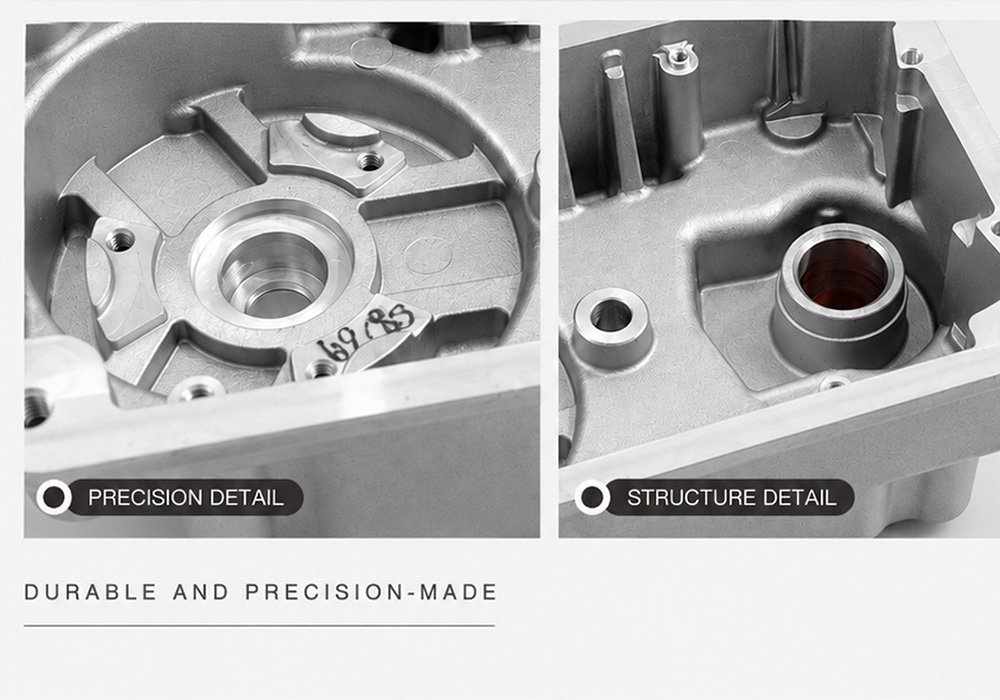
Key aspects of daily maintenance for the gearbox housing: ensuring proper heat dissipation, preventing leaks, tightening connections, preventing rust and cracks, and preventing water and dust ingress. While the housing itself is not easily damaged, seal failure, overheating, vibration, and external force damage can cause malfunctions; regular inspections can extend the overall service life of the gearbox.